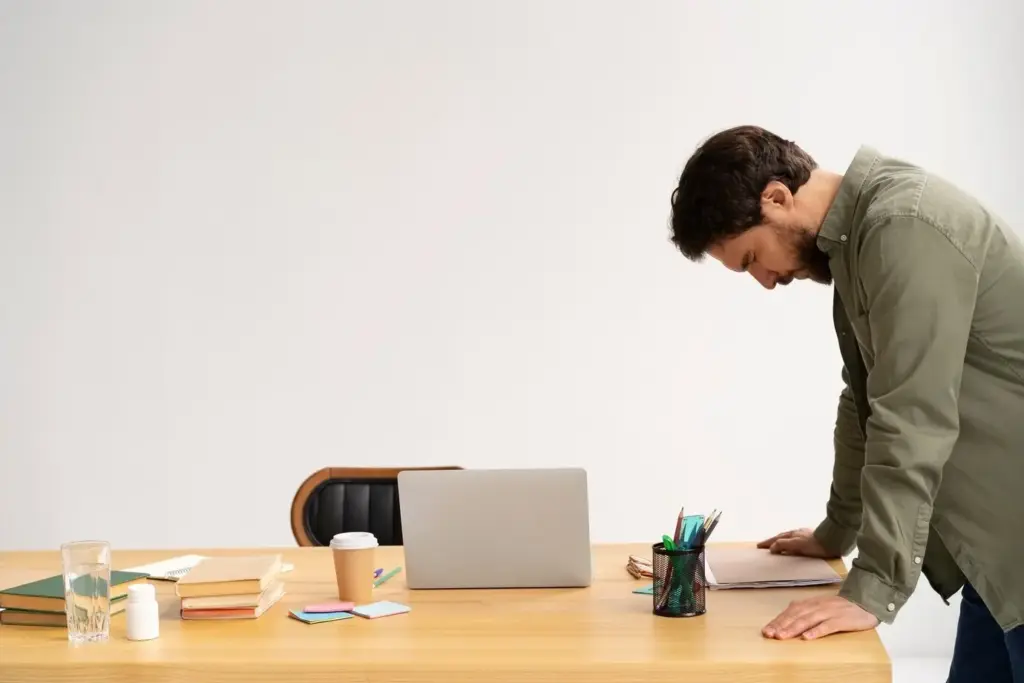
Feel Lighter in Sixty Seconds

Today we’re diving into one-minute stress resets you can do at your desk, turning tiny gaps between emails into effective relief. Expect science-informed breathing, micro-movements, visual rests, and quick rituals that restore focus without requiring equipment or privacy. Try one now, save a few for later, and tell us which quick reset worked best so we can share more that match your schedule, energy, and workplace reality.

Breath that Switches Gears Fast

When pressure spikes, your breath is the fastest lever you can pull without standing up or drawing attention. These quick patterns reduce mental noise, settle the body, and create just enough space to choose your next move wisely. One minute of deliberate breathing can soften tight shoulders, sharpen focus, and signal safety to your nervous system, especially during back-to-back calls or looming deadlines that compress your day.

Micro-Movements Your Back Will Thank You For
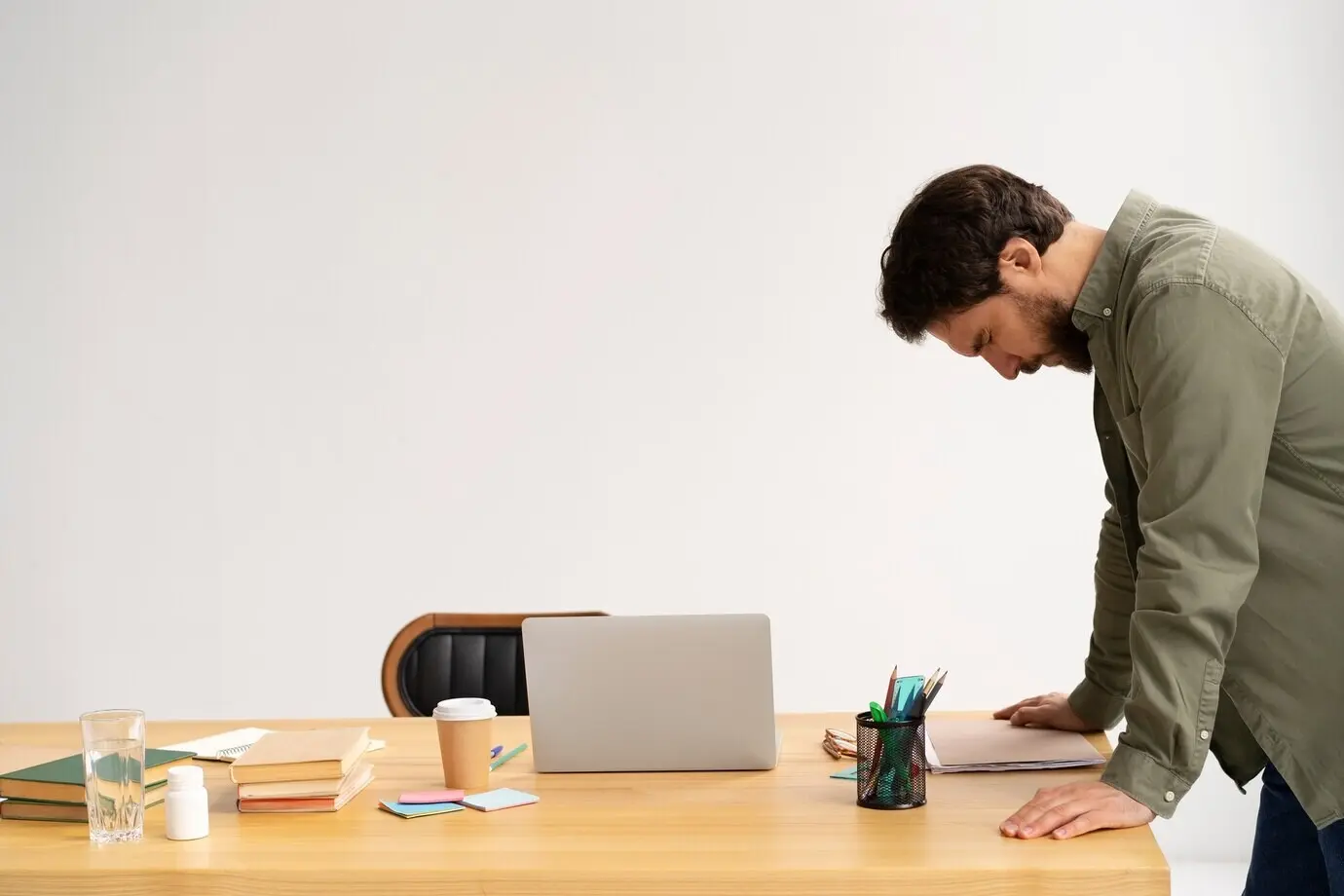
Sitting still compresses energy and mood. Tiny, precise movements release tension without turning your office into a gym. These one-minute resets mobilize stiff areas, refresh circulation, and remind your body it’s safe to breathe again. You won’t need special gear or standing space—just awareness, a chair, and willingness to move slowly. The goal isn’t stretch intensity; it’s gentle, repeatable relief that keeps you alert and comfortable at work.

Visual and Auditory Switch-Offs

Screens narrow attention and strain your nervous system. A sixty-second sensory reset widens perspective and tells your brain the threat is smaller than it seems. Give your eyes fresh distance, soften your gaze, and let sound wash through as a neutral backdrop. These practices help headaches, decision fatigue, and email-induced tunnel vision. They also reduce the impulse to doom-scroll, buying back clarity just when your task list grows unruly.

The 20-20-20 Plus Ten

Look twenty feet away for twenty seconds while blinking softly, then add ten slow, deliberate blinks to lubricate your eyes. Let your jaw dangle slightly and shoulders drop. This tiny pause resets visual focus muscles and reduces screen sting. If you lack a window view, pick a distant corner or hallway. Pair with one slow nasal inhale and extended exhale. It’s astonishing how quickly calm returns when vision widens.

Soft-Gaze Panorama

Lift your eyes from the screen and let your gaze spread to include the edges of your environment without focusing on details. Notice peripheral movement, light, and color. Breathe slowly for a minute. This panoramic view signals safety and eases hyper-focus that often fuels stress. Many readers feel forehead tension melt. If distractions appear, allow them like passing clouds. Return to work with gentler eyes and a steadier sense of space.

One-Minute Sound Bath

Close your eyes or soften your gaze, then catalog distant, medium, and near sounds without judging them—HVAC, footsteps, typing, your breath. Let sound be texture, not interruption. Continue for a minute with slow exhalations. This reframing untangles annoyance and surprises you with calm. If a sudden noise irritates, label it silently as “sound” and release. You’ll open your laptop again feeling oddly refreshed, even though nothing external changed dramatically.

Name-It-to-Tame-It

Silently label your current emotion with two or three simple words: “tight chest,” “rushed,” “worry about feedback.” Breathe out longer than you breathe in, repeating the label once or twice. Research suggests naming feelings can reduce their intensity. In one minute, you create psychological distance, regaining choice. This isn’t overthinking—it’s noticing. When the next task arrives, your mind is clearer, your posture taller, and your reply less reactive.

60-Second Gratitude Sprint

Set a sixty-second timer and list as many small wins or supports as you can: hot coffee, working Wi‑Fi, a teammate’s quick reply, comfortable chair. Keep sentences short and messy. Gratitude interrupts stress loops and changes what your attention highlights. When the timer ends, underline one item and breathe slowly for two cycles. Watch how urgency softens. Share one entry with a colleague to multiply the effect and strengthen connection at work.

Hydration, Scent, and Temperature Nudges

Physiology shifts your mindset surprisingly fast. Strategic sips, a brief cooling sensation, or a familiar aroma can interrupt stress spirals in under a minute. These simple cues are discreet at your desk and pair well with breathing or visual resets. They work because they signal comfort and control, while requiring almost no effort. Keep tools within reach and rotate them, so novelty helps your nervous system pay attention.

Boundaries, Micro-Break Rituals, and Social Pings

Calendar Micro-Break Guardrails

Add a one-minute buffer at the top of each hour labeled privately as “reset.” When the alert hits, pick any quick technique—breath, gaze, or sip—and actually do it. This boundary reframes time as supportive rather than squeezing. Even two buffers in a day create momentum. Communicate lightly to teammates if needed, and you’ll normalize humane pacing. That tiny protective fence keeps your best energy available for real, deep work.

Sixty-Second Stair Stroll

If possible, stand, walk to the nearest staircase or hallway, and take a slow sixty-second loop. Let arms swing naturally, breathe out longer, and glance at something far away. Movement clears mental static and refreshes circulation fast. No stairs? Walk to a window and back. On return, sit tall and re-enter with one intentional action like closing a browser tab. The contrast resets your nervous system without stealing focus for long.

Kindness Ping to a Colleague

Send a one-paragraph thank-you or a single sentence acknowledging someone’s helpful effort. Be specific about the action and its impact. This shifts attention from pressure to connection, releasing warm chemistry that eases tension. Keep it sincere, short, and unforced. You’ll brighten another person’s moment and change the tone of your own. Many teams report fewer misunderstandings when this becomes a habit. Compassion, it turns out, is highly efficient stress relief.

Make It Stick: Tracking, Gamifying, and Celebrating

Sticker Chart for Grown-Ups

Draw a simple grid and add a small dot or sticker every time you complete a one-minute reset. Aim for three dots per day. At week’s end, reflect on which resets delivered the biggest relief under which pressures. Visibility beats willpower by showing habits forming in real time. If you miss a day, skip the guilt and start fresh. The chart turns invisible care into a satisfying collection of concrete wins.

Dice of Destiny

Assign six resets to dice numbers—breath, gaze, sip, move, gratitude, kindness. Roll once when stress spikes and do whichever appears. The randomness removes decision fatigue and keeps practice fun. In fast meetings, imagine a mental roll and choose quickly. Over time, you’ll notice preferences and gap areas. Rotate options monthly to maintain novelty. This micro-game reframes self-care as light, practical, and portable, fitting even the busiest desk days easily.

Celebrate the Minute

When you finish any reset, whisper “done” or tap the desk gently. That tiny celebration closes a loop, teaching your brain to crave repetition. End-of-day, jot one sentence about the clearest shift you felt. Share favorites with coworkers or in our comments so others can learn practical variations. Recognition builds community and momentum, making tomorrow’s one-minute practice easier to choose when your calendar looks fierce and focus feels wobbly.
Xoxizunoxiru
Privacy Overview

This website uses cookies so that we can provide you with the best user experience possible. Cookie information is stored in your browser and performs functions such as recognising you when you return to our website and helping our team to understand which sections of the website you find most interesting and useful.